
Which Brands Are Winning With Gen Alpha in 2026? | Concept Studio
category /
Branding
date published /
14.08.26
read time /
10min
In our last post, we looked at who Gen Alpha is and what they fundamentally need from brands: the behavioural patterns, the phygital expectations, the speed at which they’re growing up. If you haven’t read it, start there.
This one goes somewhere different. Instead of talking about what Gen Alpha wants in theory, we’re looking at what’s actually working in practice.
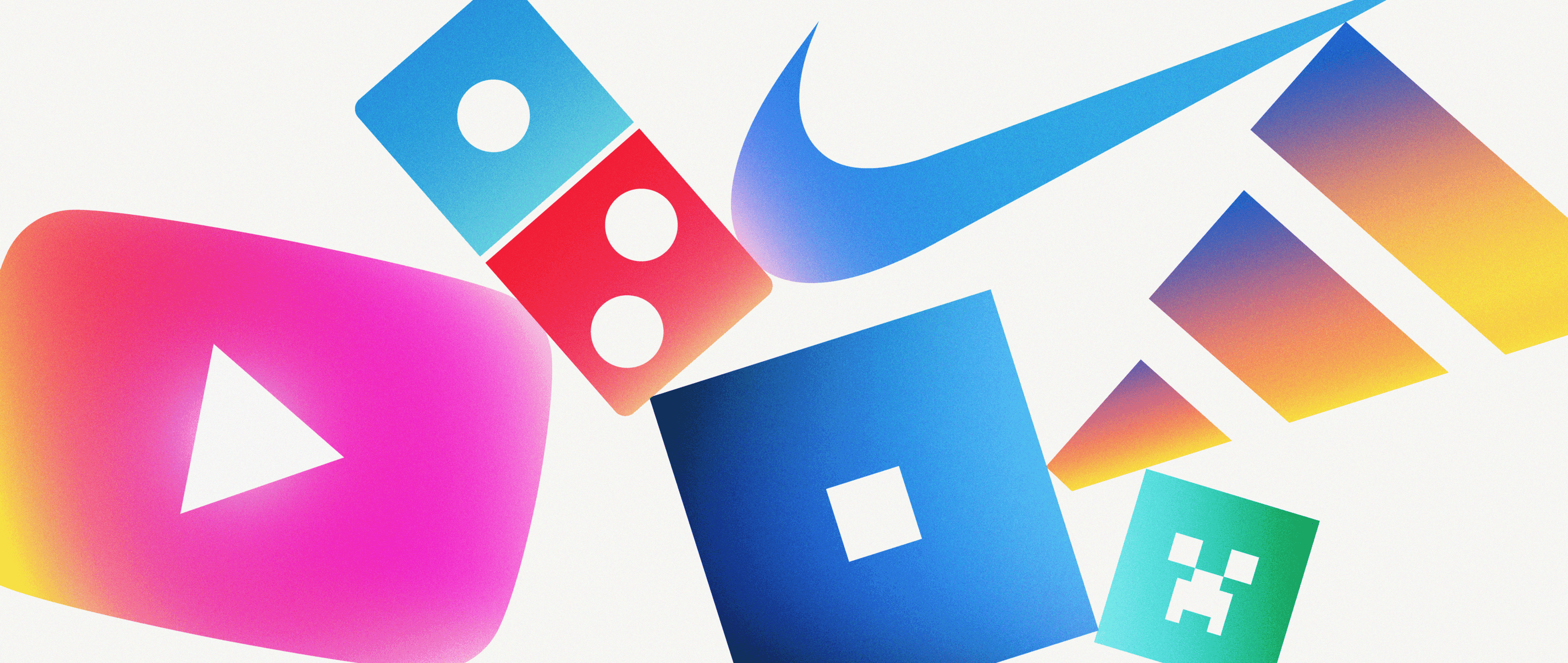
Beano Brain, the insight division behind the UK’s longest-running kids’ comic, spent a year studying 12,000 children aged 7 to 14 for their 2025 Coolest Brands report. It’s the most granular real-world data we have on which brands are cutting through with this generation, and why. The findings are specific, sometimes counterintuitive, and genuinely useful.
Here’s what the data says.
The brands at the top, and what got them there
YouTube holds #1. And it’s earned, not inherited.
YouTube has been a dominant platform for over a decade, but its #1 position with Gen Alpha in 2025 isn’t inertia. It’s strategy. While most platforms chased one format, YouTube built two: bite-sized Shorts for the scroll, and an ever-expanding library of long-form creator content for when people actually want to sit with something.
The result is that for Gen Alpha, YouTube has overtaken Google as the default search and discovery tool. Need to learn something? YouTube. Want to verify whether a collectable is authentic? YouTube. One 12-year-old in the study summed it up without meaning to write a brand brief: “I’d rather watch a YouTube video than an entire film, because if they’re boring you, you can just stop.”
That’s the entire attention economy in one sentence. Gen Alpha will invest real time in content that earns it. They’ll leave in seconds if it doesn’t.
The brand implication: Being present in one format isn’t a strategy. Gen Alpha consumes across contexts and expects brands to meet them there. Without losing coherence in the process.
Nike vs Adidas: same audience, opposite approaches, both winning
Nike leapt over Netflix to claim #2 this year. Adidas climbed 15 places to #14. Both are winning with Gen Alpha, which makes the contrast between them more instructive than either brand in isolation.
Nike’s approach is breadth that still feels personal. A product range large enough for different sub-audiences to find their tribe within it, plus collaborations (Cristiano Ronaldo, Zendaya, the SKIMS partnership) that give different kids different entry points into the same brand. Ubiquity without uniformity.
Adidas went narrower and deeper. Regionalised football club campaigns speaking directly to Newcastle United supporters, Aston Villa fans, Celtic FC devotees. A nostalgic aesthetic, Gazelles, terrace styles, Britpop revival, that made kids actively covet their parents’ taste. The brand tapped into fandom culture rather than trying to override it.
The underlying move is identical: both brands are helping Gen Alpha construct and communicate identity. The product is secondary. The self-expression opportunity is primary.
The brand implication: If your brand can’t answer the question ‘what kind of person wears this / uses this / buys this?’ in a way that feels genuinely specific, Gen Alpha won’t be able to recruit it into their sense of self. And that’s where long-term loyalty lives.
The cautionary tales are as useful as the success stories
Prime Hydration: what happens when hype isn’t backed by a brand
KSI and Logan Paul built Prime Hydration on some of the largest creator audiences on the internet. The launch generated the kind of earned attention most brands spend years trying to manufacture. Lines around the block. Sold-out shelves. Genuine cultural moment.
And then Prime fell 26 places and dropped out of the Coolest Brands top 100 entirely.
The Beano Brain finding is direct: Gen Alpha will discover brands through influencers and social media. But they’ll only stay based on what they actually experience. Product quality and consistency matter more than launch hype. Prime built an event. It didn’t build a brand.
This is the most important data point in the report for anyone thinking about long-term Gen Alpha brand strategy. Reach is accessible. Credibility is earned. And with Gen Alpha, the gap between the two is unforgiving. We’ve written before about what it actually takes to build a brand identity that lasts, and Prime is a case study in skipping those steps.
Google drops 14 places. The loyalty assumption is dead.
Google fell to #38 in the 2025 rankings, down 14 places from the previous year. The reason is straightforward: Gen Alpha is routing around traditional search in favour of conversational AI tools. They find them faster, more intuitive, and, crucially, more like a real interaction and less like using a form.
Google is, by any measure, one of the most successful brands in history. And it’s losing relevance with a 12-year-old who’s never thought of search as an interface worth mastering.
The warning this sends to established brands isn’t subtle: goodwill built with previous generations doesn’t transfer. Every generation has to be won fresh, on their own terms. And Gen Alpha’s terms are different.
The unexpected winners, and what they actually did right
KitKat, Nutella, Domino’s: why heritage works (but not on its own)
KitKat broke into the Coolest Brands top 10 for the first time, on its 90th birthday. Nutella debuted at #12. These are not brands that feel obviously Gen Alpha. And that’s exactly why they’re interesting.
KitKat’s success isn’t nostalgia. It’s the ASMR snap, the shareability, and a limited-edition flavour programme (Lemony Lime, Cotton Candy) that gives a generation of self-described foodies something genuinely new to discover inside a familiar brand. Heritage provides the trust. Innovation provides the reason to pay attention.
Domino’s is a sharper version of the same lesson. The brand jumped 8 places to #8 through global flavour experimentation (Ultimate Carbonara, Korean BBQ Chicken) and campaigns with genuine comedic ambition. Their Valentine’s Day Eau de Passion stunt, a limited-edition Pepperoni Passion fragrance, drove a 50% sales surge. The joke was the product. The product was the joke. Gen Alpha respected it.
The brand implication: Longevity is a credibility signal, not a creative strategy. Gen Alpha will respect what you’ve built. But only if you keep giving them a reason to look.
Jellycat: the ritual economy, and why experience design is brand design
Jellycat is a London-based plush toy brand that entered the Coolest Brands top 100 at #48 without running a single significant paid advertising campaign. What they ran instead was an experience.
The Jellycat Diner at FAO Schwarz turned buying a toy into a theatrical ritual. Guests selected and “cooked” their food-shaped plush in a playful, performative process before taking it home. The Jellycat Fish ’n’ Chip shop at Selfridges was a limited-edition pop-up where fans ordered toys from a retro van. Both were designed to be filmed and shared. Both were.
One young fan in the report captured the dynamic perfectly: “I’d like to collect some more, but they’re so expensive.” The price point became part of the aspiration, not a barrier. Jellycat made scarcity feel intentional and the experience feel worth the investment.
This is the ritual economy: when the act of acquiring something becomes as meaningful as the thing itself. Jellycat didn’t just design a product. It designed a moment that Gen Alpha wanted to be part of and share. That’s brand experience design at its sharpest.
The brand implication: The most powerful brand touchpoint isn’t always the ad. Sometimes it’s the moment someone decides to film themselves buying your product because the experience is worth showing people. That can’t be faked. It has to be designed.
The framework underneath all of it: 12 motivations
Beano Brain’s research doesn’t just tell us which brands won. It tells us why, through a framework of 12 core motivations that brands can meet for Gen Alpha: creativity, collectability, performance, social connection, autonomy, repetition, learning, mastery, competition, identity, nurture, and mood management.
The pattern across the top-performing brands is consistent: they don’t just hit one motivation. They stack several. YouTube delivers learning, creativity, and social connection simultaneously. Nike delivers identity, performance, and autonomy. Minecraft, which climbed 10 places to #20, delivers mastery, creativity, repetition, and social connection. Jellycat delivers collectability, nurture, and mood management.
Single-motivation brands are fragile. A brand that gives Gen Alpha only one reason to care can be replaced by anything that does it better. The brands that deliver across multiple dimensions become woven into the texture of someone’s daily life. And that’s where real loyalty lives.
It’s worth holding this framework up against your own brand honestly. Which motivations do you genuinely deliver? Which ones are you claiming without actually earning? The gap between the two is where most brands lose Gen Alpha.
What the data adds up to
The Beano Brain report is full of brand-specific findings, but the strategic conclusion is consistent across all of them: Gen Alpha rewards brands that deliver substance across multiple dimensions, consistently, over time. They punish brands that build awareness without building something real underneath it.
YouTube is #1 because it genuinely serves its audience across formats and over years. KitKat broke into the top 10 because it never stopped finding new things to say within a 90-year-old brand. Prime fell out of the top 100 because the launch was the product, and once the launch was over, there wasn’t much left.
The question for any brand thinking about this generation is the same one it’s always been, just with higher stakes and less patience for the wrong answer: what do you actually deliver, and is it enough to keep earning their attention?
If you’re working through that question and want a thinking partner, that’s exactly the kind of conversation we have at Concept Studio.
Frequently asked questions
What are the coolest brands for Gen Alpha in 2025?
According to Beano Brain’s study of 12,000 kids aged 7 to 14, YouTube is #1, Nike jumped to #2, and the rest of the top 10 includes a mix you might not expect: KitKat, Domino’s, and Nutella alongside Netflix and Roblox. The surprise entries further down include Jellycat at #48 and beauty brands like Sephora and Drunk Elephant cracking the top 100.
Why did Prime Hydration fall out of the top 100?
Prime dropped 26 places and disappeared from the Coolest Brands list entirely. The short version: Gen Alpha will find you through hype, but they’ll only stick around if the product delivers. Prime was an event. Once the event was over, there wasn’t much brand left behind it.
Why is Google losing relevance with Gen Alpha?
Google fell 14 places to #38. Gen Alpha is increasingly using conversational AI tools and YouTube for search instead of typing queries into a search bar. For a 12-year-old, traditional search feels like filling out a form. The warning for established brands: being dominant with one generation doesn’t guarantee you anything with the next.
What are Beano Brain’s 12 brand motivations for Gen Alpha?
The framework identifies 12 things Gen Alpha looks for in brands: creativity, collectability, performance, social connection, autonomy, repetition, learning, mastery, competition, identity, nurture, and mood management. The brands at the top of the list stack multiple motivations. The ones that only deliver one are easy to replace.
How can heritage brands win over Gen Alpha?
Heritage earns trust, but trust alone won’t hold their attention. KitKat broke into the top 10 at 90 years old by leaning into ASMR shareability and limited-edition flavours. Domino’s climbed 8 places through flavour experimentation and campaigns that were genuinely funny. The pattern: give Gen Alpha something new to discover inside something they already trust.
by
Anginé Pramzian
read next

subscribe to newsletter