
6 steps to create brand identity
category /
Branding
date published /
04.03.21
read time /
3min
Let talk about branding:
Let's talk about brand identity: it's the logo, the colors, the typography, the voice, and the imagery a business uses to show up consistently, everywhere. It's what people see and feel every time they run into a brand, and in our experience, it only works when it's built on purpose, not pieced together as you go.
Most guides on this topic stop at "design a logo." We don't think that's the whole story. This guide walks through what brand identity actually is, the pieces that make it up, our 7-step process for building one, a few examples we admire, the mistakes we see most often, and what it tends to cost, whether you're doing it yourself or bringing in a team.
We've built brand identities for everyone from early-stage startups to global names like UNICEF, UEFA, and the European Parliament, and the process below is the one we actually use, not just what looks good in a mood board.
What Is Brand Identity?
Brand identity is the set of visual and verbal elements — logo, color, typography, imagery, tone of voice, and how they're all applied — that a company uses to represent itself consistently, everywhere it shows up. It's the tangible expression of a brand's strategy: the outward system that makes a business recognizable, memorable, and distinct from everyone else in the room.
It's worth separating brand identity from "brand" itself. A brand is the overall impression people form of a company, built from every interaction they've ever had with it, good or bad. Brand identity is the system a company builds on purpose to try to shape that impression in its favor.
Brand Identity vs. Branding vs. Visual Identity
We get asked about these three a lot, and they're often used interchangeably even though they mean different things:
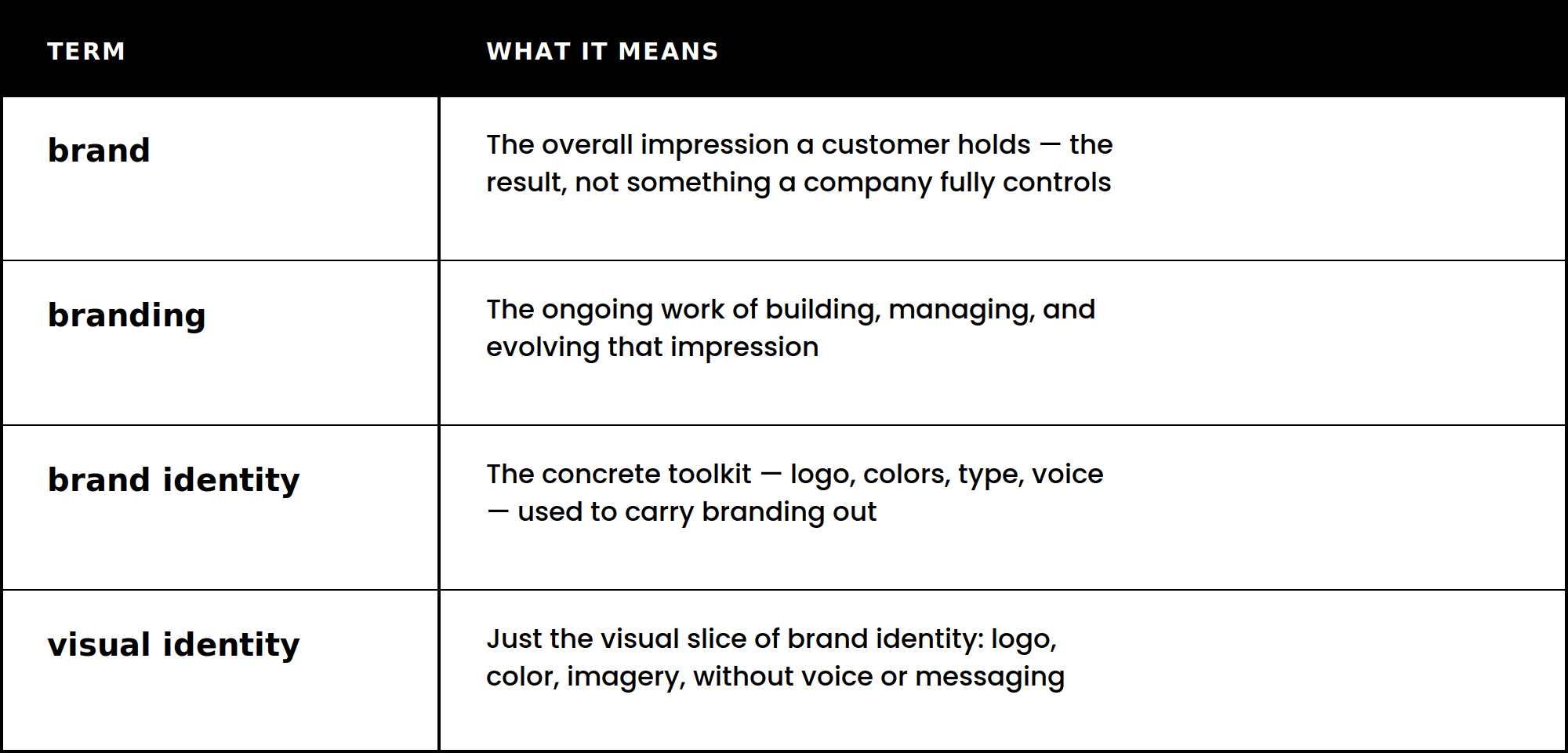
In practice, branding is the strategy and the ongoing work, brand identity is the system that carries it out, and visual identity is one part of that system. Our branding engagements cover all three layers together, and we always start with strategy before any visual work begins.
Why Brand Identity Matters
A strong brand identity does a few things a weak one just can't:
- 1)
It builds recognition. Consistent visual and verbal cues let people identify a company at a glance, across ads, packaging, apps, and social feeds, without needing to see the name spelled out.
- 2)
It signals trust. Mismatched fonts, colors that shift depending on the channel, an unclear voice — it all reads as unreliable before anyone's even looked at the product.
- 3)
It raises perceived value. People consistently read polished, distinctive design as higher quality, even when the product underneath is identical to a competitor's.
- 4)
It compounds. Every consistent touchpoint reinforces the last one. A fragmented identity resets that recognition with every new asset instead of building on what came before.
Research from Lucidpress found that consistent brand presentation across all channels can lift revenue by up to 23%, mostly because recognition and trust translate straight into conversion.
The 7 Core Elements of Brand Identity
A complete brand identity is made up of several pieces that need to work together. Skip one and it shows.
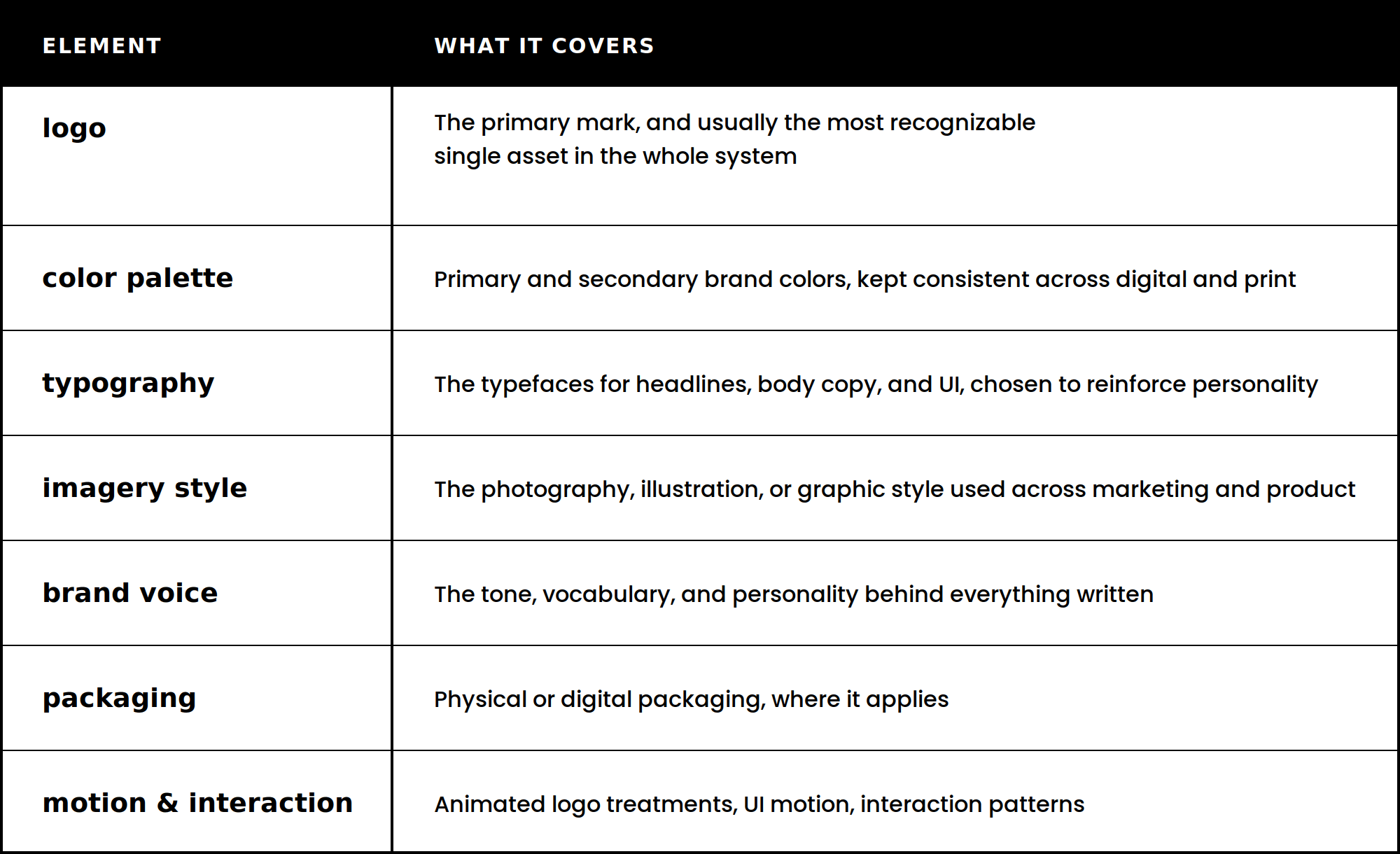
Each piece needs to hold up on its own and as part of the whole. A logo that looks great in isolation but fights with the brand's type or color system isn't a finished identity, it's an unfinished one.
DIY vs. Hiring an Agency — When Each Makes Sense
Not every brand identity needs an agency behind it, and not every founder should try to build one solo. It really comes down to stage and stakes.
DIY makes sense when:
- 1)
You're pre-launch or pre-seed and just need something functional to start operating
- 2)
Your market isn't competitive enough yet for design to be a real differentiator
- 3)
You're comfortable with tools like Canva or a freelance designer and don't need the strategy work
Bringing in an agency makes sense when:
- 1)
You're raising funding, entering a competitive category, or launching somewhere new
- 2)
Your current identity was thrown together early on and is now holding the business back
- 3)
You need the strategy layer — positioning, naming, verbal identity — not just visuals
In our experience, most brand identity problems don't come down to bad taste. They come from skipping the strategy work that should happen before any design starts, which is exactly where a DIY approach tends to fall short.
How to Create a Brand Identity: Our 6-Step Process
Step 1 is to thoroughly understand the brand, the business goals, and the idea behind it. We define the advantages and the unique features of the business whose identity we're building, and get clear on positioning before touching anything visual. A logo designed without that groundwork is a logo designed for no one in particular.
This is usually where DIY brand identities fail first — positioning benefits from an outside perspective that isn't attached to how the founders see the business internally. See how we approach it in brand strategy & positioning.
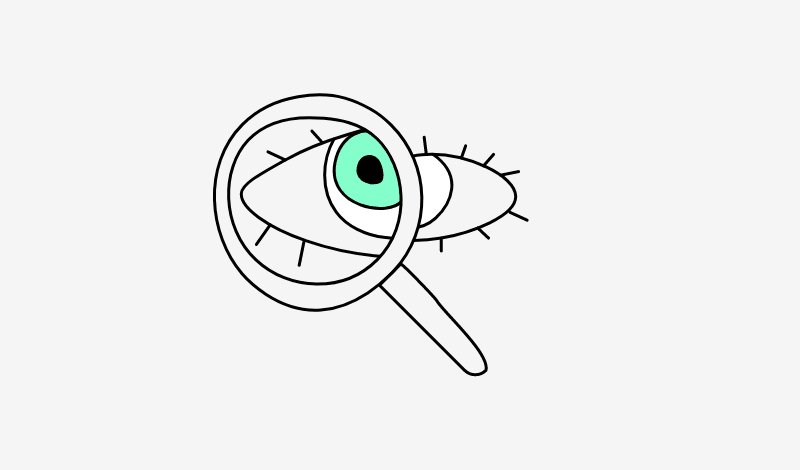
Step 2 is to conduct thorough research on the potential clients or brand audience This also includes researching and identifying competitors and pain points of the brand itself. At this stage we are going to identify our target group. Also in this stage we are going to study the strong and weak points of the competitors’ brand as well as the advantages and disadvantages of their brand identity
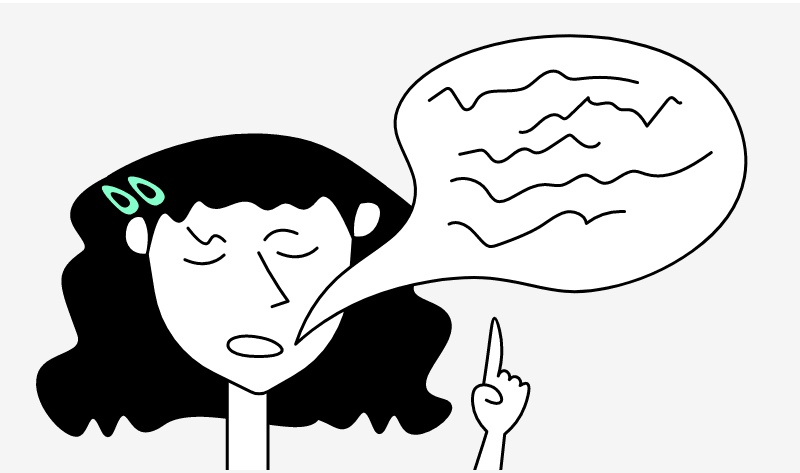
Step 3 is storytelling. Most successful brands tell compelling stories which highlight the philosophies behind them and it's our job to create that story for our brands. The research in the second stage helps us develop a narrative that is unique to the brand in question. This is where the client’s input is crucial because it’s their idea after all!The most important point here is to be honest with your future audience and brand users. The story should be told uniquely and honestly through all the features and elements of the brand. At this stage, data previously gathered will provide useful input in developing the brand’s unique personality as well.
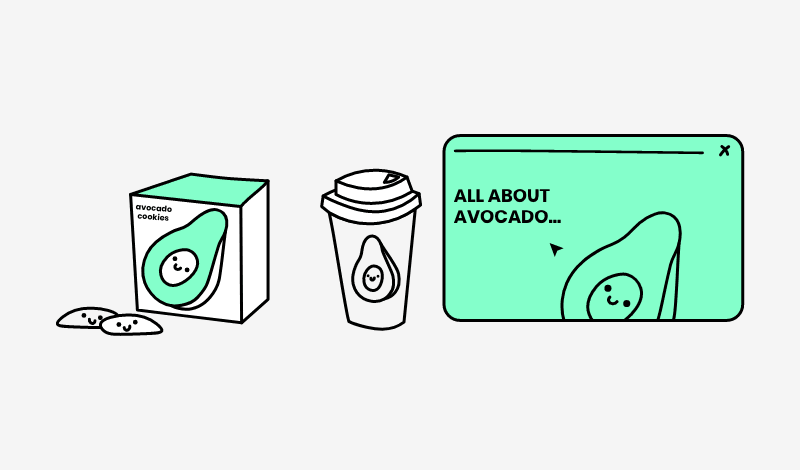
Step 4 is designing the logo for the brand, as it's the most important element in the brand identity. At this stage also we are doing research but this time based on the visuals of the brand itself. It's worth mentioning that when designing a logo for a brand it's very important to understand and to consider the future usage of the logo. In other words, what message does your logo convey? is it a digital product or a packaging product? Do the users interact with the product or the brand in a digital world or on the billboard and on the posters mostly or even in the supermarket shelves.
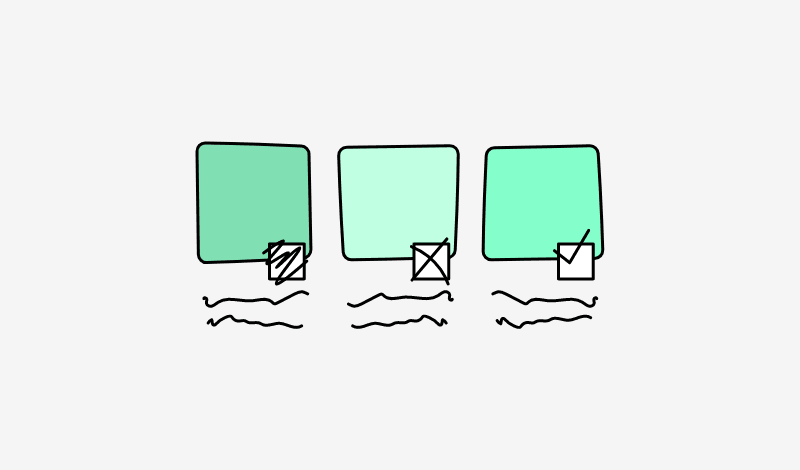
Step 5 is to create a brand style: What is a brand style? It's the characteristic of the brand—is it bold or friendly? At this stage we are creating a color palette and patterns that are going to be used in brand elements. Choosing the right shades isn’t just an aesthetic decision; it taps into color psychology, shaping how your audience feels about your brand from the very first glance. The most important thing is to have a harmonic brand style.
Step 6: Once the logo gets approved by the client and we are moving to creating the brand visual elements, it's very important for all the elements of the brand to be cohesive and aligned with each other. That's the most important job of the designers: to keep all the brand elements aligned. Brand elements include: business cards, letterheads, envelopes, email signatures, billboards and banners, signs, booklets and flyers, vehicle and clothing design like t-shirts and also for digital products social media post designs and website promotional item design.
The final step is to prepare brand guidelines in which we include all the brand elements and all the guidelines that are needed when using the particular brand so the brand journey will be smooth and the brand identity will be intact :) We love the brands that we create and we don't like to see them messy and distorted.
And at the end we follow up with the journey of our created brand to make sure they are doing good with the brand visuals and help them if needed throughout their journey to have a cohesive brand identity.
Branding isn’t a one-time task: it’s a continuous process that requires creativity and agility!
A Few Brand Identities We Admire
Apple built its identity around simplicity and restraint — minimal color, generous white space, a consistent typographic voice across hardware, packaging, retail, and software. The identity reinforces the product philosophy rather than decorating it.
Coca-Cola has kept the same core red-and-white identity and script logo for over a century, adapting only at the margins. That consistency is exactly why it's still instantly recognizable without needing to show the name in most markets.
Volvo built its entire identity around one idea — safety — and let that shape everything from messaging to product marketing. It's proof a brand identity doesn't need to be loud to work, it just needs to be consistent with what the company actually stands for.
Mistakes We See a Lot
- 1)
Designing before strategizing. Jumping straight into logo concepts without positioning produces identities that look fine but say nothing in particular.
- 2)
Chasing trends over timelessness. Trend-driven palettes and type styles date fast, and that usually means a costly rebrand a few years down the line.
- 3)
Inconsistent application. Letting different teams or freelancers interpret the identity loosely erodes recognition faster than almost anything else.
- 4)
Treating guidelines as optional. Without a documented system, consistency depends entirely on institutional memory, and that breaks the moment someone leaves.
- 5)
Ignoring verbal identity. Pouring effort into visuals while leaving tone of voice undefined leaves a brand that looks coherent but sounds inconsistent everywhere it talks.
Branding isn't a one-time task, it's a continuous process that takes creativity and agility. If any of these sound familiar, it's usually a sign the strategy layer needs another look before the visuals do — that's exactly where our brand strategy & positioning work starts.
How Much Does Brand Identity Design Cost?
It really depends on scope and approach:
- 1)
DIY (logo maker tools, templates): Free to a few hundred dollars, but limited to visual assets only — no strategy, naming, or verbal identity work, and not much room to customize.
- 2)
Freelance designer: Roughly $500–$5,000 depending on experience and scope. Usually covers a logo and a basic visual system; strategy work is often separate or missing altogether.
- 3)
Agency-led process: Typically $6,000–$30,000+, covering strategy, naming, the full visual system, documented guidelines, and application across every touchpoint. Enterprise or multi-market projects run higher.
The difference isn't just polish, it's completeness. A DIY or freelance path usually gets you a logo and a color palette. An agency-led process gets you a documented, strategy-backed system built to hold up as the business grows, and that's usually the cheaper mistake to avoid than to fix later.
Frequently Asked Questions
What's the difference between branding and brand identity?
Branding is the ongoing work of building and managing how a company is perceived. Brand identity is the concrete system — logo, colors, typography, voice — we use to carry that out consistently.
How long does it take to build a brand identity?
A freelance or DIY logo-and-visuals package can come together in a few weeks. A full agency-led process, strategy through guidelines, usually runs 6 to 12 weeks depending on scope and how many rounds of review there are.
Does a startup need a brand identity from day one?
Not a fully built-out one. Early on, a business needs something functional and consistent enough to operate credibly. A deeper, strategy-led identity earns its cost once a company is raising funding, entering a competitive market, or scaling past the founding team.
How much does brand identity design cost?
Anywhere from free with DIY tools, to $500–$5,000 for freelance work, up to $6,000–$30,000+ for a full agency-led process covering strategy, naming, the visual system, and documented guidelines.
Should I hire an agency to build my brand identity?
It depends on stakes and stage. If a business is entering a competitive market, raising capital, or has outgrown an identity that was thrown together early on, an agency-led process starting with strategy rather than visuals usually holds up better than DIY or freelance alone.
Building a Brand Identity That Lasts
Brand identity isn't a one-time deliverable, it's a system that has to hold up as a business grows, expands into new markets, and gets used by more people over time. The brands that get the most out of theirs treat it like infrastructure, not decoration — built on real strategy, documented clearly, and applied consistently everywhere they show up.
If you're building or rebuilding a brand identity and want it done as a full system rather than just a logo and a color palette, take a look at how we approach it on our brand identity & visual design page, or browse our work to see the process in action.
by
Anginé Pramzian
read next

subscribe to newsletter